
Virtual Reality Therapy
Virtual Reality (VR) therapy at Rock City Counseling blends immersive technology with evidence-informed therapeutic practices to help clients access calm, insight, and emotional safety in a way that traditional talk therapy alone can’t always reach. This modality is especially powerful for clients who benefit from visual, sensory, or experiential forms of healing.
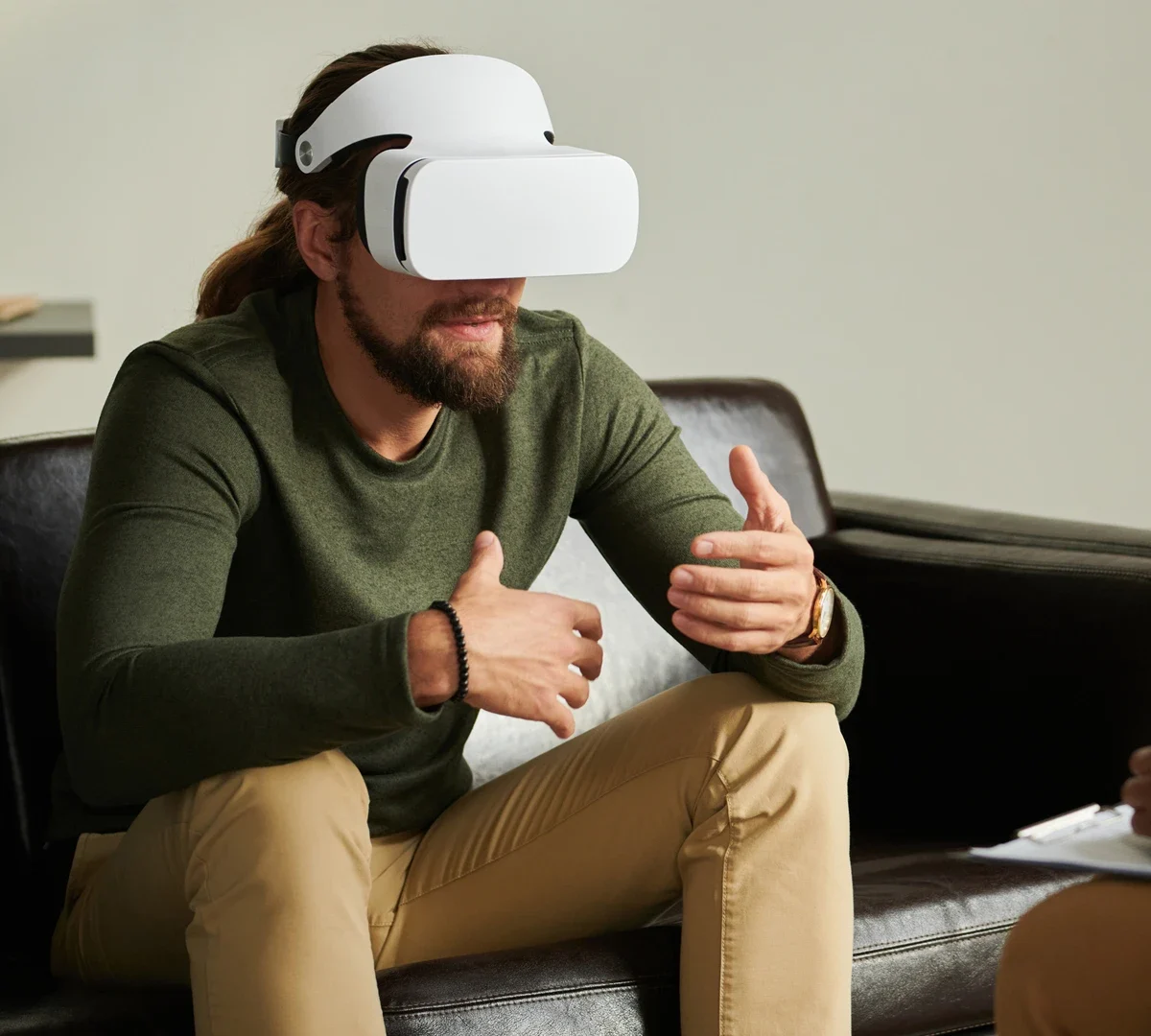
VR-Assisted Therapy uses a curated virtual environment to support emotional regulation, exposure work, grounding, and trauma processing. Through controlled visual and auditory experiences, clients can safely explore situations, sensations, or calming states that help the brain and body learn new patterns of safety.
In simple terms: VR gives your nervous system a real-time experience of calm, mastery, or exposure—without leaving the room.
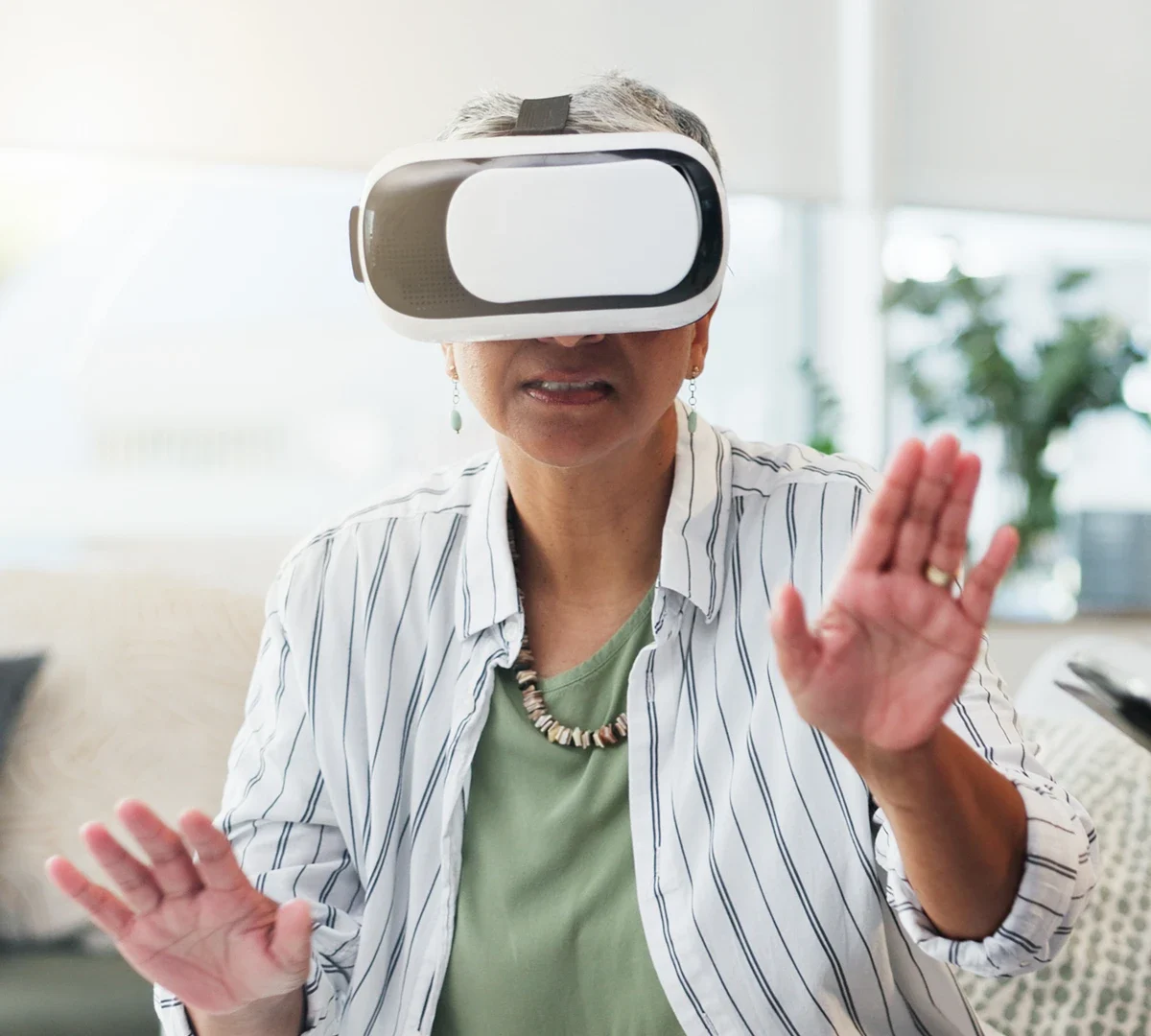
How Virtual Reality Therapy Works
VR sessions are guided and structured by your therapist. Each session is tailored to your goals, comfort level, and nervous-system needs.
A typical session may include:
Your therapist helps you identify what you want to focus on—calming the body, confronting a fear, strengthening emotional tolerance, or practicing new skills.
Your therapist tracks:
- Breathing
- Posture and physical cues
- Emotional responses
- Moments of activation or openness
- Shifts in awareness
You always stay in control. You can pause or stop the experience at any time.
Depending on your needs, VR may be used for:
- Regulation + grounding environments (beaches, forests, gentle sky scenes)
- Mindfulness + breathwork programs
- Exposure-based environments for anxiety or trauma triggers
- Somatic tracking opportunities (noticing sensations during VR)
- EMDR-compatible bilateral VR experiences
- Cognitive + emotional flexibility training
After the VR session, you and your therapist process:
- What came up
- What shifted in the body
- Any insights or emotional material
- How to apply what you learned in daily life
This helps turn VR into meaningful, lasting therapeutic change.
Benefits of VR Therapy for Mental Health
Clients often report:
- A deeper sense of calm and groundedness
- More accessible emotional regulation
- Reduced anxiety and fear-based avoidance
- Improved ability to face triggers or stressors
- Stronger mind–body connection
- Faster progress in exposure-based or trauma-focused therapy
- Increased comfort in processing difficult emotions
- Enhanced visualization and somatic awareness
Virtual Reality Therapy in Arkansas
VR-Assisted Therapy may be supportive if you:
- Experience anxiety, panic, or specific phobias
- Struggle to visualize or access calming states on your own
- Have trauma and benefit from gentle, controlled exposure to triggers
- Are highly analytical or dissociative and need stronger sensory grounding
- Are a teen or young adult who responds well to immersive, interactive modalities
- Are working on emotional regulation, mindfulness, or body awareness
- Are preparing for or integrating EMDR, Somatic Therapy, or Ketamine sessions
- Need a more experiential pathway toward safety, stabilization, or connection
VR is highly adaptable and can be used gently or progressively, depending on what your nervous system needs and what feels supportive for your healing process.