
EMDR Interventions
EMDR (Eye Movement Desensitization and Reprocessing) is an evidence-based, trauma-focused therapy that helps the brain resolve unprocessed memories and the emotional and physical reactions connected to them. Instead of retelling your story over and over, EMDR helps the nervous system shift out of old survival patterns so you can respond from the present rather than from past pain.
In simple terms: EMDR helps the brain finish processing what it didn’t get to finish during overwhelming experiences.
How EMDR Interventions Work
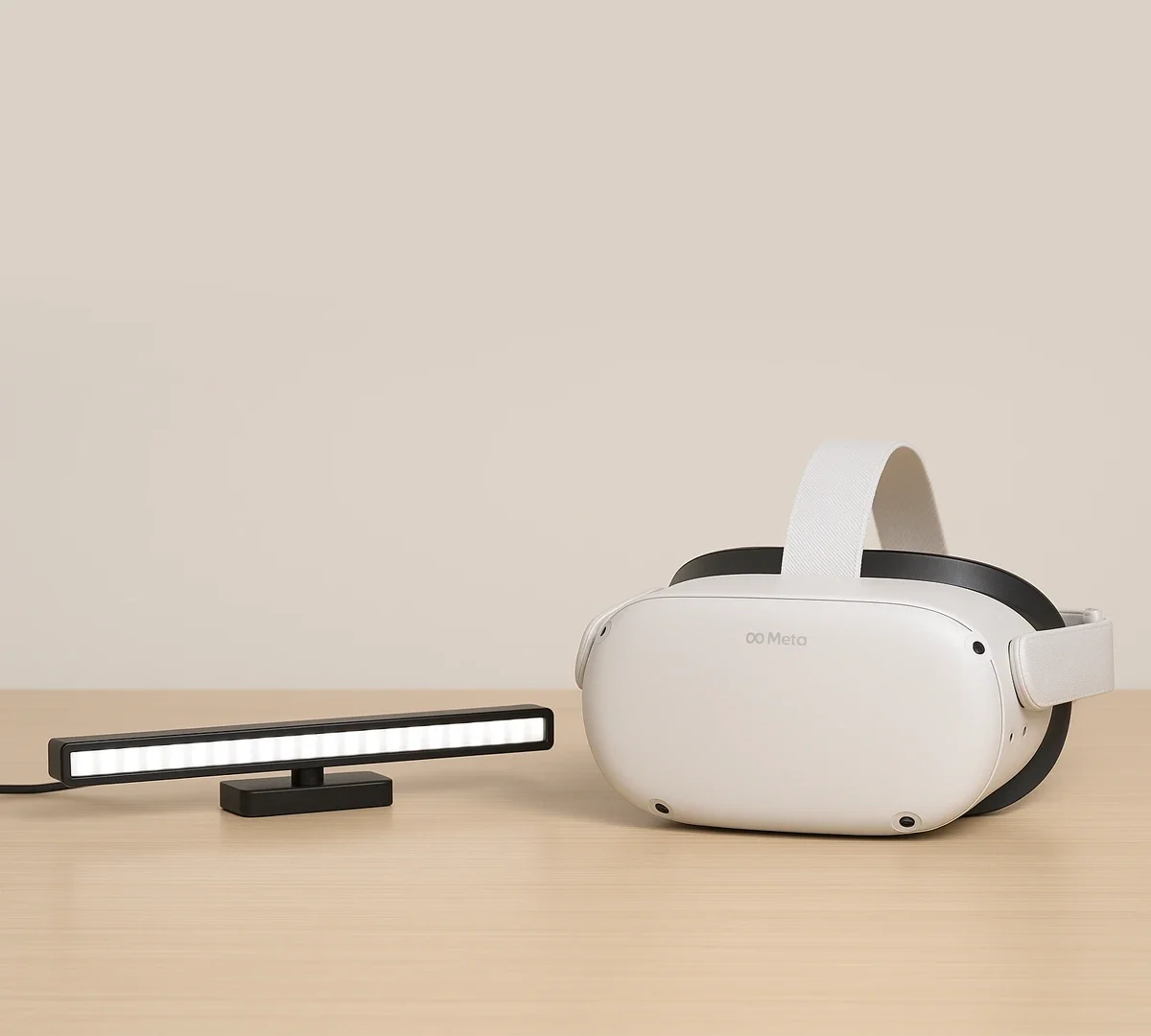
EMDR therapy uses bilateral stimulation—such as guided eye movements, gentle taps, or alternating tones—while you briefly focus on a specific memory, sensation, or belief. This structured process engages both sides of the brain to help reprocess traumatic or distressing experiences, allowing the memory to be integrated with less emotional intensity and greater resilience.
A typical EMDR session includes:
- Checking in and establishing grounding before beginning
- Identifying a target memory or sensation at a pace that feels safe
- Using bilateral stimulation to help the brain reprocess stored material
- Noticing shifts, insights, or changes in the body’s responses
- Ending with regulation and integration to support stability
Your therapist’s role:
Guide the process, ensure safety, pace the work appropriately, and help your nervous system remain regulated.
Your role:
Simply notice—your body sensations, emotions, thoughts, or images. There is no need to force anything or have the “right” response.
The brain naturally moves toward healing when the conditions are safe and supported. EMDR helps create those conditions.
Benefits of EMDR for Trauma and Anxiety
- Less emotional intensity around past memories
- Reduced triggers, flashbacks, or intrusive thoughts
- Greater calm and ability to regulate emotions
- More presence in daily life
- Relief from chronic tension or hypervigilance
- Improved self-trust and internal safety
- A clearer sense of identity beyond trauma
EMDR Therapy in Arkansas: Is This a Good Fit for You?
EMDR may be a good fit if you:
- Are navigating trauma, PTSD, or complex trauma
- Feel stuck in loops of fear, shame, or self-doubt
- Experience chronic anxiety or emotional overwhelm
- Notice your body stays "on alert" even when you're safe
- Want a more effective, body-informed approach than talk therapy alone
- Are seeking deeper healing, clarity, and long-term change